
Gold: Uses and Properties Explored
- Jewelry Touch

- Nov 11, 2025
- 4 min read
Gold has fascinated humanity for millennia. Its radiant glow and rarity make it a symbol of wealth and prestige. But beyond its beauty, gold holds remarkable properties that make it indispensable in various industries. Today, I want to take you on a journey through the world of gold, exploring its unique characteristics and diverse applications. Whether you are involved in jewelry manufacturing, wholesale, or retail, understanding gold’s multifaceted nature can enhance your appreciation and business acumen.
Understanding Gold: Properties That Set It Apart
Gold is not just a pretty metal. It boasts a combination of physical and chemical properties that make it truly exceptional. For starters, gold is incredibly malleable and ductile. This means it can be hammered into thin sheets or drawn into fine wires without breaking. In fact, a single ounce of gold can be stretched into a thread over 50 miles long. This property is invaluable in crafting intricate jewelry designs and delicate components.
Another standout feature is gold’s resistance to corrosion and tarnish. Unlike silver or copper, gold does not oxidize when exposed to air or moisture. This ensures that gold jewelry retains its luster and shine for generations. Additionally, gold is an excellent conductor of electricity, which explains its use in high-end electronics and precision instruments.
Gold’s density and weight also contribute to its appeal. It feels substantial in hand, conveying a sense of luxury and quality. These properties combined make gold a preferred choice for both ornamental and functional purposes.

Gold Applications Overview: From Jewelry to Industry
When we talk about gold applications, the first thing that comes to mind is jewelry. Gold’s timeless appeal and workability make it the cornerstone of the jewelry industry. From engagement rings to luxury watches, gold is the metal of choice for creating pieces that symbolize love, status, and tradition. Its ability to alloy with other metals allows for a range of colors, including yellow, white, and rose gold, catering to diverse tastes.
But gold’s role extends far beyond adornment. In electronics, gold’s excellent conductivity and resistance to corrosion make it ideal for connectors, switches, and circuit boards. High-reliability devices, such as aerospace and medical equipment, often rely on gold-plated components to ensure consistent performance.
In dentistry, gold alloys are prized for their biocompatibility and durability. Gold crowns and bridges offer a long-lasting solution that withstands the harsh environment of the mouth without causing allergic reactions.
Gold also plays a critical role in finance and investment. Central banks hold gold reserves as a hedge against inflation and currency fluctuations. Investors buy gold bars and coins as a safe haven during economic uncertainty.
For those interested in the detailed gold uses and properties, this resource offers a comprehensive overview that can deepen your understanding and support your business decisions.
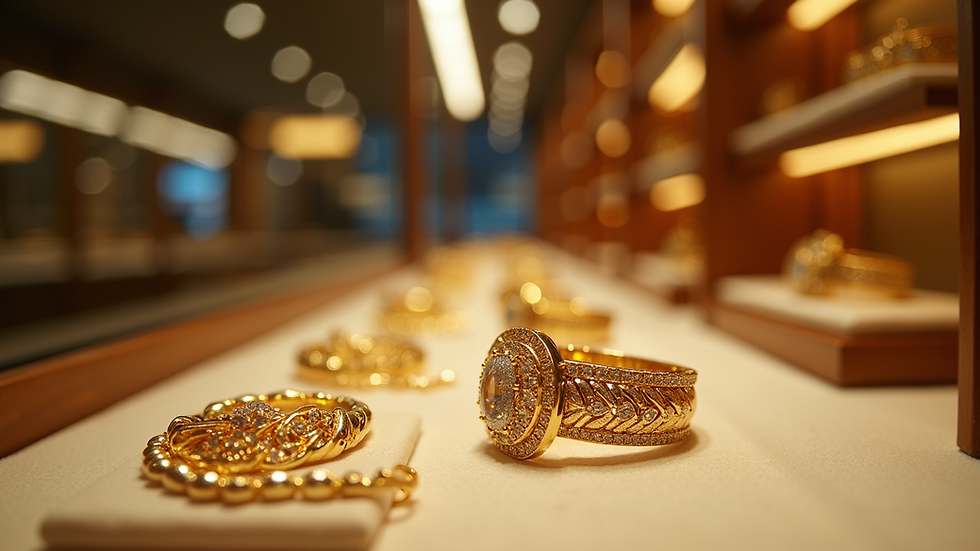
Crafting Excellence: Gold in Jewelry Manufacturing
Creating exquisite gold jewelry requires more than just raw material. It demands skill, precision, and an understanding of gold’s behavior during manufacturing processes. Gold’s softness means it must often be alloyed with other metals like copper, silver, or palladium to enhance strength and durability. The choice of alloy affects not only the color but also the hardness and melting point.
Casting, forging, and electroplating are common techniques used to shape and finish gold pieces. Each method has its advantages. For example, casting allows for complex shapes and mass production, while forging produces stronger, more durable items.
Surface finishing is another critical step. Polishing, brushing, or texturing can dramatically change the appearance of gold jewelry, adding value and uniqueness. Additionally, plating with rhodium is popular for white gold to enhance brightness and scratch resistance.
For wholesalers and retailers, understanding these manufacturing nuances helps in selecting products that meet quality standards and customer expectations. It also aids in communicating the value of different gold items to clients effectively.
Ethical Sourcing and Sustainability in Gold Trade
In today’s market, ethical sourcing is not just a trend but a necessity. Consumers increasingly demand transparency about where and how their gold is obtained. Responsible sourcing ensures that gold mining does not contribute to environmental degradation or human rights abuses.
Many reputable suppliers and manufacturers now adhere to strict standards, such as the Responsible Jewellery Council (RJC) certification. This guarantees that gold is mined, processed, and traded in a manner that respects people and the planet.
For businesses, partnering with ethical gold suppliers enhances brand reputation and builds trust with customers. It also aligns with global efforts to promote sustainability and social responsibility in the jewelry industry.
Future Trends: Innovations in Gold Use
The story of gold is far from static. Innovations continue to expand its applications and redefine its value. Nanotechnology, for instance, uses gold nanoparticles in medical diagnostics and treatments, opening new frontiers in healthcare.
In fashion, designers experiment with combining gold with unconventional materials to create avant-garde pieces that appeal to younger, trend-conscious consumers.
Technological advances also improve gold recycling methods, reducing the need for new mining and supporting circular economy principles.
For wholesalers and retailers, staying informed about these trends can provide a competitive edge. Offering innovative gold products or educating customers about gold’s evolving role can differentiate your brand in a crowded market.
Embracing Gold’s Timeless Value
Gold’s allure is timeless, but its significance goes beyond mere aesthetics. Its unique properties and versatile applications make it a cornerstone of multiple industries, especially jewelry. By understanding the science, craftsmanship, and ethical considerations behind gold, businesses can better serve their clients and foster lasting relationships.
Whether you are sourcing raw gold, manufacturing intricate designs, or retailing finished pieces, embracing gold’s multifaceted nature is key to success. As the market evolves, so too does the potential of this remarkable metal. Let’s continue to explore, innovate, and celebrate gold’s enduring legacy together.


Comments